What to Feed Your Child
When I speak with parents about the food they feed their child, I get one of a few answers.
- My child will eat some veggies, fruit, meat, and snacks.
- My child only eats 5 things, including chicken nuggets, french fries, rice, pasta, cheese, yogurt (or similar foods or these and crunchy, fried snacks.
- My child eats a regular diet.
When I inquire into what actually goes into the mouth of the child, the answers don't always line up with what the parent tells me ("We eat really healthy!")!
I have found, even among my friends, that they think they are eating healthy, when in fact, I can poke so many holes into the "healthy" concept. What we are sold as "healthy" is anything but.
Let's dive into what's healthy.
 Eating healthy has nothing to do with all the commercials on TV, social media or other places, that tell you a snack is good for your child, because it provides the vitamins and minerals and tastes good.
What we have been led to believe is that commercially processed foods, especially crunchy snack foods, breakfast cereals, pastas, breads and pre-made, microwavable meals packaged in plastic are good for us. Because after processing, synthetic vitamins have been added back in. Or because it has a tiny 1/4 serving of something that was a vegetable prior to processing.
Synthetic Vitamins
Added back into snacks, cereals, dairy products and other foods, synthetic vitamins are made in a lab. They are the one isolated compound that scientists have discovered is the 'active' component. However, in reality, the best form of a vitamin is that found in its natural food source, due to the cofactors that bring the vitamin into the cell or help in other ways.
For example, when Vitamin E is added back into foods (mostly used as an antioxidant, to keep foods fresh), the form alpha-tocopherol is added in. However, there are 8 forms of Vitamin E, all with their own purpose and synergy in working together. And this whole form of Vitamin E is best found in a whole food like sunflower seeds, almonds, hazelnuts (not a hazelnut butter spread loaded with sugar!), mango, avocados and broccoli.
Synthetic forms of vitamins made in a lab can actually have a detrimental effect for the body. The body will assimilate those, but they won't work. So now the absorption of a natural, or 'real' vitamin may be blocked.
White Food Cravings and Picky Eating
There may be many reasons why a child craves 'white food' or processed foods only.
- The off-balance microbes and parasites in the gut may be calling the shots. They crave junk food components and foods that break down into the simple sugar - glucose - because it's their quick food.
- There is an addictive quality to the breakdown products of wheat (the many forms of gluten molecules) and dairy (the casein molecule). The larger molecules are not fully digested prior to leaking through the gut. They make it to the brain and act like a type of morphine - making a child feel really good. Remember, morphine is given to those in lots of pain so they don't feel it. Of course your child would want to keep eating these food chemicals that make him feel-good!
- There is a sensory issue, where foods or textures just don't 'taste right'. So a child is averse to them. It could be from the smell of the item, the taste, the texture.
- There's a zinc deficiency, which could throw off the taste buds and make everything taste bland or awful. In this case, have your child's zinc tested with a knowledgeable practitioner.
- OR... it could be a combination of some or all of the above! In my experience, it's never just one thing with a child on the autism spectrum.
So, what do I feed my child?
First, Read Ingredients
Make sure you know what you're feeding your child by reading the ingredients listed on food packages.
Stop giving your child any snacks that have artificial colors, non-organic wheat, or any wheat at all, bad oils (canola, soy, vegetable, corn, safflower, sunflower, peanut, margarine), flavor enhancers like MSG, and lots of sugar. This will feed the bad microbes in the gut, making gut issues even worse.
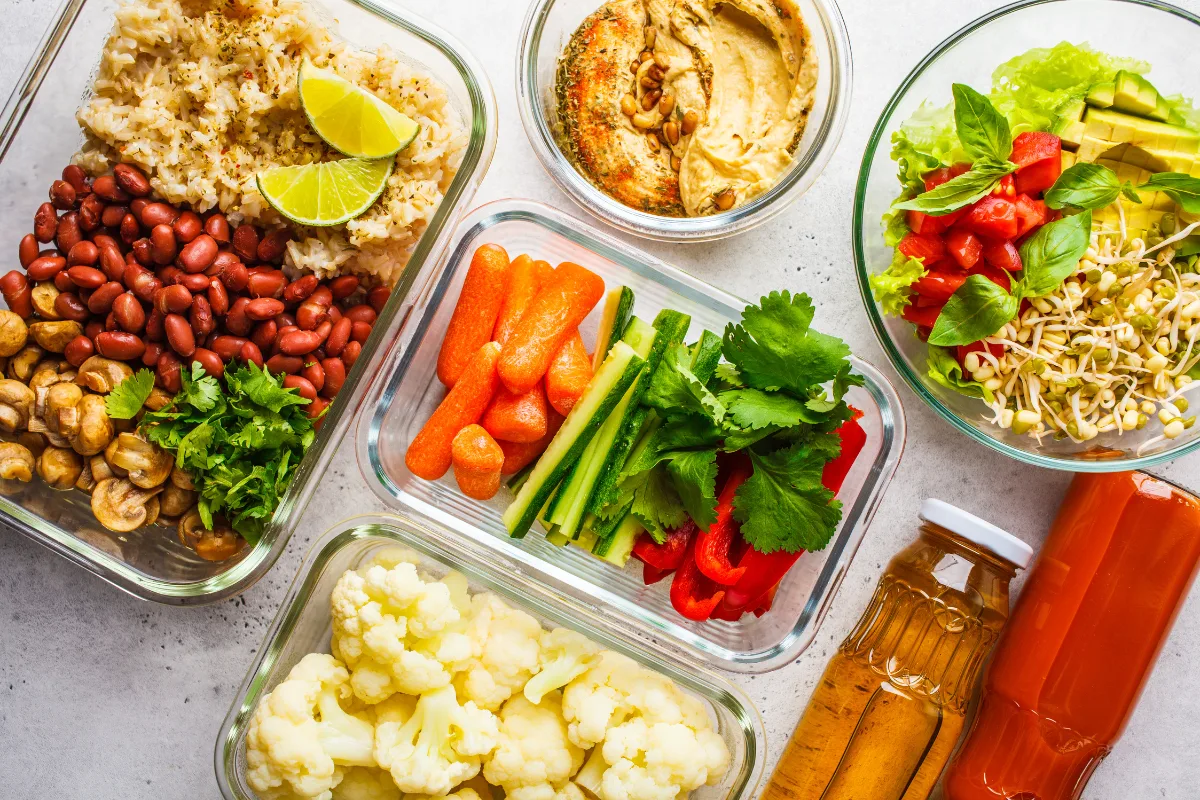
Do feed your child a balance of healthy protein, fats and carbohydrates from whole foods.
Serve Only Organic Meats
Give only pasture raised, grass fed animals and meat that have no added nitrates or nitrites, are raised without antibiotics or genetically modified components, including the animal feed (if you can find that out).
Organically raised meat, while pricey, will not be fed genetically modified feed and is usually fed the diet that the animal is supposed to eat. For cows, that's grass. And that's all.
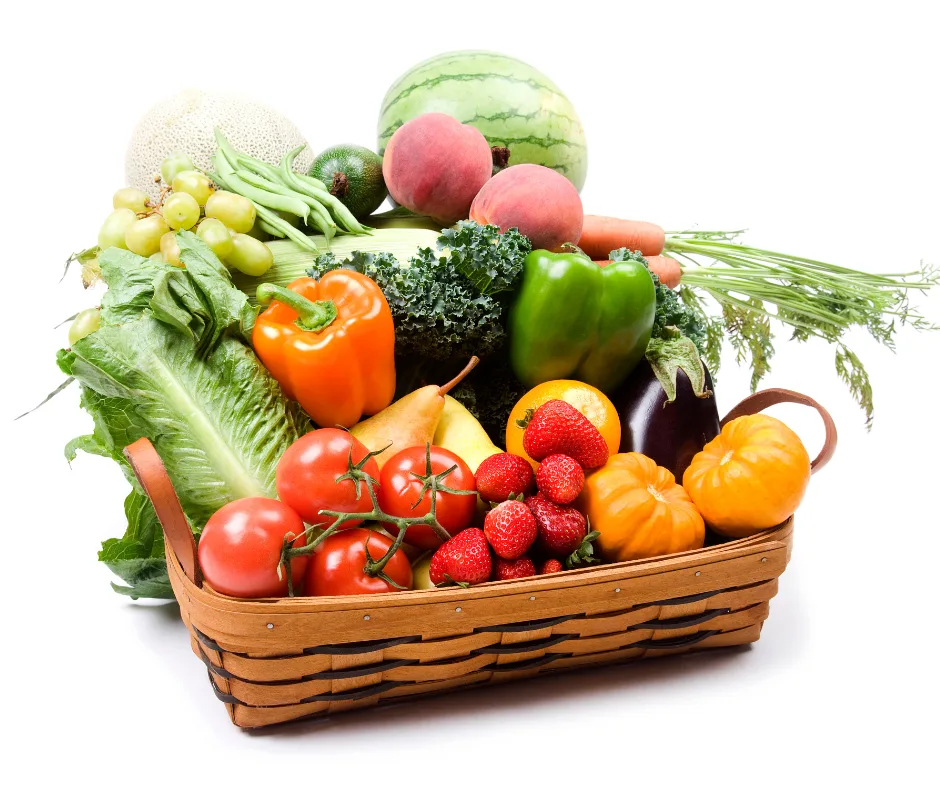
Serve Organic Fruits and Vegetables
Good ways to hide these are in smoothies, soups that are blended so no vegetables are visible, frozen pops. Making funny faces on the plate with various food items helps kids like the foods and at least try them.
Stop giving cookies, crackers, chips, other crunchy non-chip snacks made with the bad oils listed above. Worse yet, many of these types of name-brand snacks have toxic food preservatives in them, like TBHQ or brain-exciting artificial colors (like FD&C dye red 3 or yellow 5).
Instead give crunchy vegetables like cut red or green peppers, jicama, carrot and celery sticks. Add a nut butter or hummus dip for more flavor.
Nuts and kale chips are also good, wholesome snacks.
Energy nut balls can be tasty, filling snacks.
These are made with your favorite type of organic nut - almond, cashew, pecan, walnut, sunflower or pumpkin seeds, chia or hemp seeds and some dried fruits like raisins, dates, currants. Roll in coconut flakes or cacao powder for a little extra flavor.
Junk foods are worse than junk
Please understand that cookies, candy, sugary treats, crunchy snacks like veggie stix, corn chips, potato chips and other processed grain chips are not food! Putting these into the body is like adding more toxic chemicals to a toxic waste dump. They just stay there and accumulate.
Based on my clinical experience, children with autism, ADHD and sensory processing disorder have a harder time detoxifying than children without these diagnoses or difficulties.
However, hope lies in the fact that we can improve their ability to detoxify and actually eliminate what's been accumulating in their bodies. And when this happens, behaviors shift:
- stimming reduces
- eye contact improves
- speech gets better
- anxiety reduces - which allows greater interactions
- the overwhelm and fear of going out or having behaviors while out greatly reduces
- anger, moodiness and defiance melt away
Getting healthy food into your child is a huge step in the right direction. You're likely to see behaviors reduce just because of this.
However, you still need to get the accumulated waste out of the body! And this has to be done in a specific order, the right way. Or you'll see behaviors get a lot worse.
Find out how you can help your child detoxify in the right way, in the timing that is right for her body. The Transforming Autism Program does just that. Read more.