Nutritional Counseling
What to eat can be confusing! Especially because of all the processed food choices.
Diet is KEY. What goes into the body makes the body what it is.
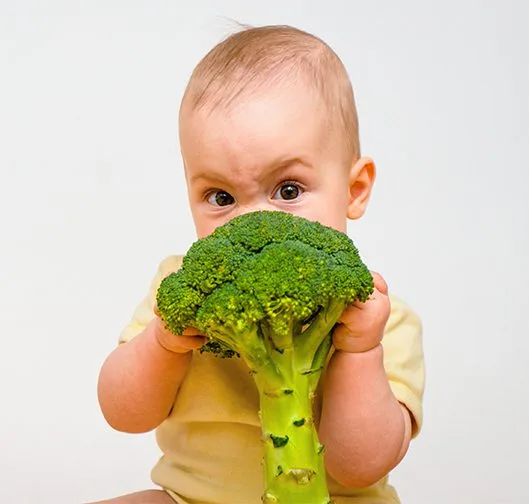
The most common things parents tell me about how their children eat?
- mostly eat just chicken nuggets and french fries
- don’t like most fruits or vegetables
- love high-sugar fruits like watermelon, grapes, orange juice, but not vegetables
- crave cheese, yogurt or other milk products
- love bread, pasta and crunchy snacks
- eat high sugar snacks, like kids bars or dried fruit
It’s definitely challenging when your child will not bring a vegetable to their mouth!
The reasons your child eats what they eat are many.
- Certain bacteria, yeast and parasites may often control what we put in our mouths (especially if your child mouths things or tries to eat dirt, sand, unedibles or even stuff from the garbage).
- Nutritional deficiencies often change the way food tastes, making it unappealing.
- Sensory issues – with taste and texture – will often keep a child from eating a certain texture, make food difficult to chew or even dictate tastes.
- Rigidity and habit, anxiety, old traumas, and other emotional incidents may contribute to food choices.
We have many strategies for helping your child’s diet!
We offer a 50 min Nutrition Consult to discuss how best to help your child.
What is right for your child?
The ideal diet includes fresh raw or cooked vegetables, a small amount of fresh fruit, and very minimally processed, organic, meats from pasture-raised, grass-fed, organic/clean animals, and nourishing fats.
Whatever goes into an animal you eat – like hormones, antibiotics or grains containing GMOs (genetically modified organisms), goes into you!
There are many diets that can help your child immediately. They mostly rely on eliminating offending foods, foods that harm your child’s gut. All of the suggestions below involve taking ‘bad’ foods out and replacing with foods that are beneficial for healing the gut or enhancing the microbes in the gut.
- Gluten-free, Casein-free (soy free, corn free, egg free, artificial color/flavor free, MSG free)
- GAPS diet (Gut and Psychology diet)
- SCD – Specific Carbohydrate Diet
- FODMAP – Fermentable Oligosaccharides, Disaccharides, Monosaccharides and Polyols
- Body Ecology Diet
- Paleo Diet
- Ketogenic Diet
The ‘right diet’ for your child may look very different than another child’s diet, at least temporarily, as each person is unique in their requirements.
Your child may be deficient in nutrients like B vitamins, Vitamin D, magnesium, zinc and other vitamins or trace minerals.
This could be due to the inability to absorb and assimilate nutrients. I would suspect poor digestion, gut flora imbalance, pathogens/parasites in the digestive tract.
Cells may be so toxic or dysfunctional, that they aren’t able to bring nutrients into the cells.
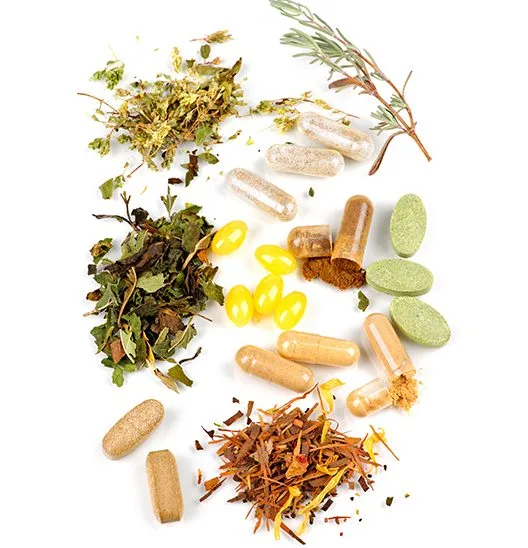
Supplements – vitamins, minerals, herbs or other specific plant compounds – may be needed temporarily.
Or perhaps your child is already taking 20 supplements and it doesn’t seem to be doing much for him.
We’ll help you figure that out!
Nutrition is Just a Start

Just as important as what goes into your child’s body, is what comes out of it. If your child isn’t eliminating waste efficiently, the rest of the body will be affected.
You may see behaviors like anxiety, anger, lack of attention or awareness, poor cognitive issues, even poor motor skill.
We offer a 50 min Nutrition Consult to discuss how best to help your child.