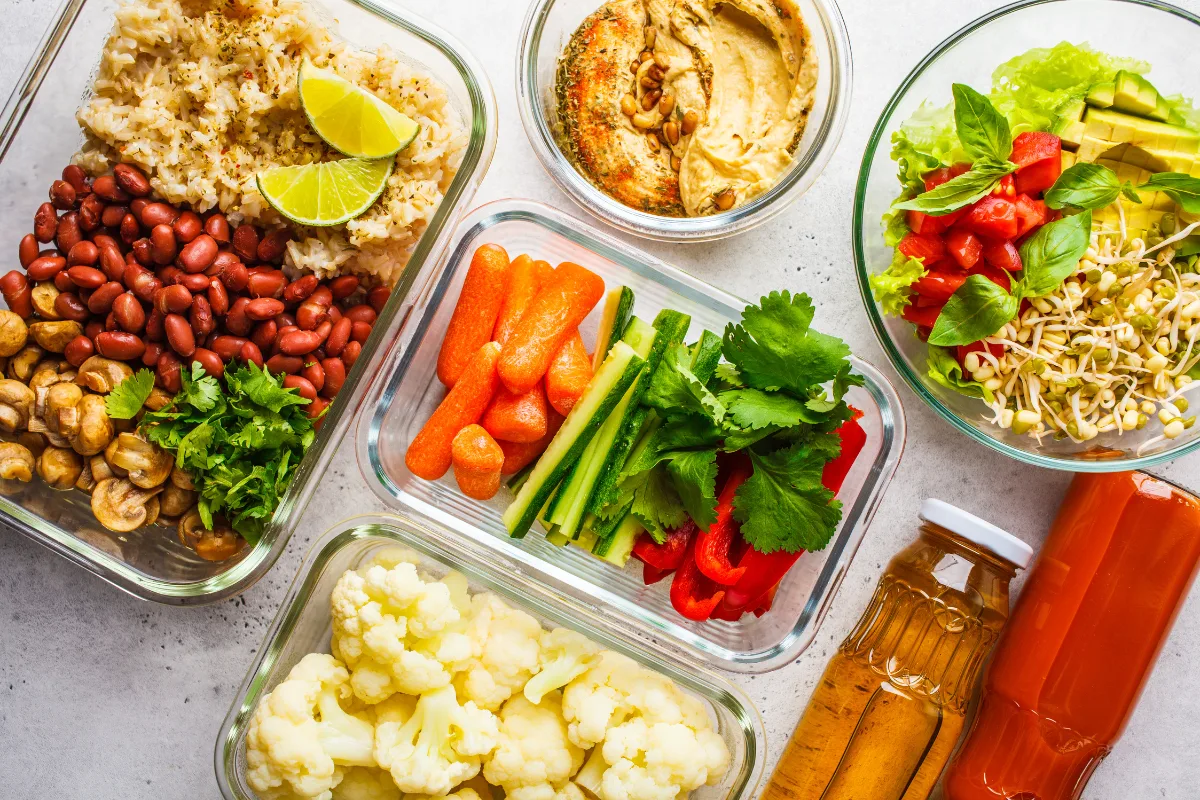
Navigating Nutrition for Children with ASD: A Guide to Enhancing Well-being
For parents and caregivers of children diagnosed with autism spectrum disorder (ASD), navigating the complexities of their dietary needs can be a daunting task.
With the prevalence of nutrient deficiencies and gastrointestinal symptoms in children with ASD, understanding how to improve symptoms through diet becomes crucial.
This comprehensive guide aims to shed light on the best diet for an autistic child, emphasizing the importance of avoiding certain processed foods and incorporating vitamins and minerals into their diet.
Understanding Nutrient Deficiencies in ASD
Children with ASD often face unique challenges when it comes to nutrition. Nutrient deficiencies are common, partly due to food selectivity, a prevalent issue among these children. This selectivity often limits their intake to processed foods high in sugars and carbohydrates but low in essential nutrients.
Addressing these deficiencies by ensuring a balanced intake of…
- pasture-raised meat
- healthy fats
- supplementing with vitamins and minerals
…is critical to supporting their overall health and well-being.
The Impact of Processed Foods
Processed foods, although convenient, can exacerbate symptoms of ASD. High in additives, lacking in nutritional value, and laden with toxins, these foods can contribute to gastrointestinal discomfort and behavioral issues.
It's essential to limit or fully eliminate processed foods in your child's diet and instead focus on whole, nutrient-dense foods that support their developmental and health needs.
The Gluten-Free Casein-Free (GFCF) Diet
The gluten-free casein-free diet has gained attention as a dietary intervention for children with ASD. One study [1] reported 80% of children’s symptoms improved by dietary interventions, with 25% improved by eliminating gluten (found in wheat, barley, and rye) and casein (a protein in dairy products) from the diet. Parents reported improvements in behavior, communication, and gastrointestinal symptoms. Keep in mind that eliminating gluten and casein may be only a first step, and that eliminating other foods may be necessary.
Read on to find out what other common foods affect the gut and brain.
[1] https://pubmed.ncbi.nlm.nih.gov/26418822/
5 Foods to Avoid with Autism
When tailoring a diet for a child with ASD, certain "trigger foods" for autism should be avoided:
- Artificial Additives: Common in processed foods, artificial colors, and flavors can exacerbate hyperactivity and attention issues.
- Gluten-Containing Grains: Wheat, barley, and rye can trigger gastrointestinal symptoms, leaky gut, brain fog and aggression.
- Dairy Products: Casein in dairy can lead to digestive issues, constipation, behavioral changes and brain issues.
- Sugar-Laden Foods: High sugar intake can contribute to mood swings, energy imbalances and supporting unhealthy gut microbes, like Candida (a yeast).
- Processed Snacks: Often loaded with unhealthy fats and additives, these offer little nutritional value, are made with non-organic proteins, contain high amounts of added sugars.
Best Diet for an Autistic Child: Emphasizing Whole Foods
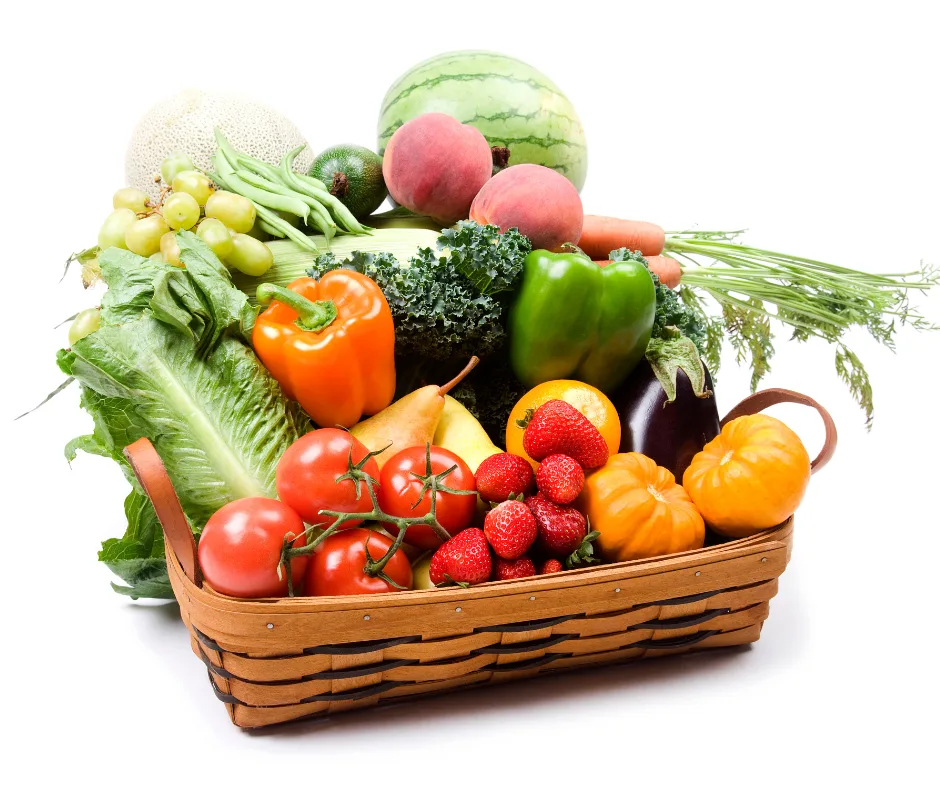 A healthy diet for a child with ASD should prioritize whole foods rich in vitamins and minerals. Here are some key components:
- Organic Fruits and Vegetables: A variety of colorful fruits and vegetables can provide essential vitamins, minerals, and fiber.
- Clean, Organic Proteins: Sources like pasture raised chicken, fish, beef, beans, and nuts support growth and repair.
- Limited Whole Grains: Organic quinoa and rice are excellent gluten-free options that offer fiber and nutrients.
- Healthy Fats: Avocados, olive oil, and omega-3-rich foods like salmon can support brain health.
Incorporating these foods into your child's diet can help address nutrient deficiencies and support overall health.
Strategies to Combat Picky Eating
Food selectivity, aka picky eating, can pose a significant challenge in ensuring a child with ASD receives a balanced diet. Here are some strategies to encourage a more varied diet:
- Involve Your Child: Let them help with meal planning and preparation to increase their number of exposures, or touchpoints, with a new food. It will increase their interest in trying new foods.
- Introduce New Foods Slowly: Pair new foods with familiar favorites to make them more appealing.
- Create a Positive Mealtime Environment: Keep mealtimes stress-free and avoid pressuring your child to eat.
- Seek Professional Guidance: Your child may have sensory issues with the mouth and tongue, be deficient in zinc or have gut pain, limiting food choices. We have found that as toxins are eliminate from the body, these over-sensitivities decrease and kids try more foods. if you’re looking for professional help with over a decade of helping kids with autism.
Supplements: Bridging the Nutritional Gap
Despite our best efforts, ensuring that a child with ASD meets all their nutritional needs through diet alone can be challenging. Supplementing with vitamins and minerals may be necessary to address specific deficiencies. Common supplements include:
- Multivitamins: To cover general nutritional gaps.
- Omega-3 Fatty Acids: For brain health and cognitive function.
- Probiotics: To support gut health and digestion.
- Magnesium: Often used to help with sleep and relaxation.
- Zinc: Often helps taste buds taste correctly, expanding what a child will eat.
Before starting any supplement regimen, consult with a healthcare professional to determine the most appropriate choices for your child.
If you cannot find someone locally who understands your situation, !
Wrapping it up...
Managing the dietary needs of a child with ASD requires patience, understanding, and often a tailored approach. By focusing on whole foods, avoiding trigger foods, and addressing nutrient deficiencies, you can significantly impact your child's health and well-being. Remember, the journey to finding the best diet for your child is a personal one, and what works for one child may not work for another. With perseverance and professional guidance, you can navigate the nutritional landscape to support your child's unique needs.