Healthy School Lunches-Plus Egg Muffin, GF Chicken, Homemade Fries Recipes
By Luminara Serdar, Certified Practicing Nutritionist
Do you sometimes feel stuck wondering what to give your child to take for lunch at school? Children with autism may be even more challenging because of picky eating, sensory issues and deficiencies of vitamins and minerals.
Research studies show that not only can your child improve eating behaviors, but more nutritious eating helps to shift challenging autism behaviors.
You don't want your child to eat the school lunches because they are full of gluten, dairy and just plain crappy processed foods?
Then you'll LOVE this video with tons of suggestions! You're bound to find something that works for your child, even if you have the pickiest of eaters.
Key Points
- Finger Foods: Whole or cut fruits, vegetables with dips like olive oil and lemon, and a variety of seasonal veggies.
- Proteins: Nuts, beans, trail mixes, turkey roll-ups, mini chicken burgers, hard-boiled eggs, chicken pieces, quesadillas, gluten-free pancakes, beef jerky, falafels, egg muffins, salami rolled around turkey.
- Creative Alternatives: Homemade plantain chips, cauliflower mash, ants on a log, homemade coleslaw, sauerkraut, leftovers in a thermos.
- Healthy Treats: ZAND zinc drops, gummy vitamins, homemade gluten-free breads and muffins, dark chocolate squares, dried fruits.
- Avoid Junk Foods: Junk foods like Oreos, Cap'n Crunch, Easy Cheese should be avoided.
- Storage Solutions: Use stainless steel or plastic containers, and if possible, glass containers for safe storage.
Read the video transcript
Hey, I'm Luminara Serdar. Welcome to Healthy School Lunches, a webinar that I want to give you parents.
This is for autistic kids, but it's really for any child!
We want to feed our kids really healthy food. I talked about breakfast before - meals that can sustain their energy until lunchtime at school.
And then this is what you can put in their lunch boxes that will help them have brain power for the rest of the day, hopefully. Can you mute people there? I have a lot of visuals in a presentation that I'd like to show you.
I like finger foods. A lot of our kids use their fingers. So, fruits and vegetables, there's all kinds of things.
And I know if you have a picky eater, it's going to be more challenging.
But these are just some ideas for kids who will eat this stuff.
Whole or cut fruit. And that's any kind of melons, grapes, apples. You can see the list on here. There are so many good fruits that we can give our kids. You can give a fruit mix with some kind of seeds. Fruit has a lot of sugar, so mixing some seeds, like chia or hemp or coconut flakes, gives it a different flavor, but it also provides sustainable fat through the rest of the day.
One of the things I used to do when my son was little is take frozen peas and carrots and put them in a little container. By the time it's lunchtime, they're not frozen anymore and ready to eat. And then dipping veggies.
Of course, you would have a dip with that. So, celery, carrots, jicama—if you don't know what jicama is, it's a root vegetable that looks brown, but on the inside, it's white, a little fleshy, and really juicy. It's crunchy and doesn't have a strong flavor. I like putting that with olive oil, a little sea salt, and lemon. And then, of course, we can use cucumbers, red peppers, broccoli, snap peas, whatever's in season.
We want to, for sure, have proteins in the lunchbox. So, any kind of nuts. If your child has allergies, don't do the nuts. Cheese sticks—if you're off dairy, don't do the cheese sticks.
All of these are kind of for everybody, but if your child is on a special diet, they might not work. So, I'm giving a wide range.
Beans. I used to get the red kidney beans in a can, but now with all the BPA, it's not great. You can get the kidney beans dry in the store. They're super cheap. Pressure cook them. This can be done in a slow cooker or on the stove. Cook them for an hour and a half to two hours, and then freeze them. Same with garbanzo beans.
Trail mix with sunflower seeds, pumpkin seeds, raisins, cranberries, chocolate chips. That's always a nice treat. Fat bomb energy balls—I have a recipe for this at the end, so stay tuned.
You mash nuts and fruit in a food processor and make little balls. I used to make these all the time when my son was little.
I like turkey roll-ups. You can do it in a corn tortilla or even in lettuce if your child will eat lettuce. I used to make little mini ground chicken burgers. You can use ground beef, turkey, chicken. I call them chicken meatballs. Use some kind of tomato products like tomato sauce, tomato paste, or diced tomatoes. Use breadcrumbs—gluten-free if necessary—to stick the meatball together and some spices like tarragon. Fry or bake them, and then you have them to use all week.
Hard-boiled eggs are a really good one. If you feel ambitious, you can make deviled eggs with a little mayo, mustard, dill, and salt. Pretty easy.
Other proteins include chicken nuggets or just chicken pieces. Cook a whole chicken, take parts of that, and give a chicken leg for lunch.
Quesadillas with alternative tortillas, maybe black beans, rice, avocado, cheese, or some alternative cheese.
Gluten-free pancakes with chicken or good fat inside can be a breakfast or lunch item.
Beef jerky—there are good organic options these days.
Falafels—Trader Joe's has mixes, but you can make your own.
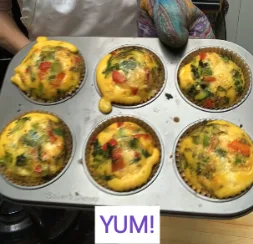
Egg muffins are something I did after my son grew up, and they are easy to make in large batches.
If you can find organic salami, roll it around turkey for protein-rich meat combos.
Cauliflower—I used to get it from Trader Joe's in a frozen bag. Steam it, then mash it like potatoes with butter and salt.
Famous ants on a log: celery stick with peanut butter or nut butter and raisins or cranberries.
Rice crackers or gluten-free crackers.
Homemade plantain chips are good too. Slice plantains, fry them in coconut oil, and bake in the toaster oven. They're really yummy and a good fat source.
If your child likes olives or seaweed, those little seaweed packets from Costco are great.
Coleslaw with cabbage and carrots in a flavored sauce. Sauerkraut helps with gut health and digestion.
Use a thermos for leftovers, soups, bone broth with noodles.
Rice and lentils, quinoa and lentils, rice and beans are good options.
Chia pudding has great omega-3 fatty acids.
Avocado, smoked salmon, sardines, cooked salmon after dinner.
Chicken salad, tuna salad, egg salad.
Dips like avocado and hummus.
Protein options like black beans and quinoa beans.
One of my son's favorites was mashed black beans on toast with avocado on top.
For treats, ZAND zinc drops are like candy but provide zinc. Gummy vitamins or Natural Calm magnesium gummies are great too.
Homemade gluten-free breads and muffins are easy to make.
Dark chocolate squares with less sugar and healthy brain chemicals.
Dried fruits like dates, raisins, and goji berries are super healthy.
Mixed salads with dressing, quinoa salad, popcorn in olive or avocado oil.
Organic protein bars, but watch for sugar content.
Avoid junk foods like Oreos, Cap'n Crunch, and Easy Cheese. Instead, use stainless steel or plastic containers, and if possible, glass containers for safe storage.
PS: Luminara is dedicated to supporting the autism community by sharing transformative health solutions for a brighter, healthier future for children with autism.
Want to shift autism behaviors?
Start with Nutrition and Gut Healing.
Bacon Veggie Egg Muffins Recipe
This is a yummy high protein breakfast option that will give your child (and yourself) hours of brain power to start the school (or work) day.🥚🌶️🥓🥦 Use all organic ingredients for the best taste and healthiest food!
Ingredients:
 6 eggs, beaten
- 1/2 cup chopped broccoli
- 1/2 cup chopped red pepper
- 1/3 cup chopped spinach
- 1/2 tsp salt
- 1/4 tsp pepper
- 1 tsp spices of choice - Italian herbs, thyme, oregano, basil
- 1/3 cup feta cheese (optional if doing dairy)
- 2 tsp olive oil for sauteeing
Instructions:
- Preheat over to 350°F.
- Cook bacon.
- Add olive oil (or use bacon grease) to pan and sautee broccoli, red pepper for 5-6 minutes.
- Add spinach to the saute mix and cook, stirring for 2 minutes.
- Add beaten eggs to muffin cups, crumble bacon into the cups, add veggies and feta.
- Bake for for 15-20 minutes until eggs are set.
- Let cool a few minutes, eat and enjoy!
Notes:
➡️ I typically don't measure things because I have an intuitive feel for what amounts go into the recipe. That's why you don't see the measuring cups and spoons.
➡️ You can omit the cheese, switch it to dairy free, use parmesean or cheddar if preferred.
➡️ You can use a variety of ingredients. Use your favorite vegetables, sausage, tofu, or other protein source of choice.
➡️ Make a bunch on the weekend and store in fridge for up to 3 days or in freezer for next week!
Reach out for help!
We help parents help their children day in and day out. If you feel like you need help with picky eating, nutrition, special diets, going gluten-free and casein-free, reach out and let us help!
Gluten Free Homemade Chicken Nuggets and French Fries
So many parents tell me their kids want to eat chicken nuggets and french fries.
If this is the case in your household, you can offer your child healthy versions of these favorites, as you are weaning them off only a few foods and onto eating more variety!
Ingredients:
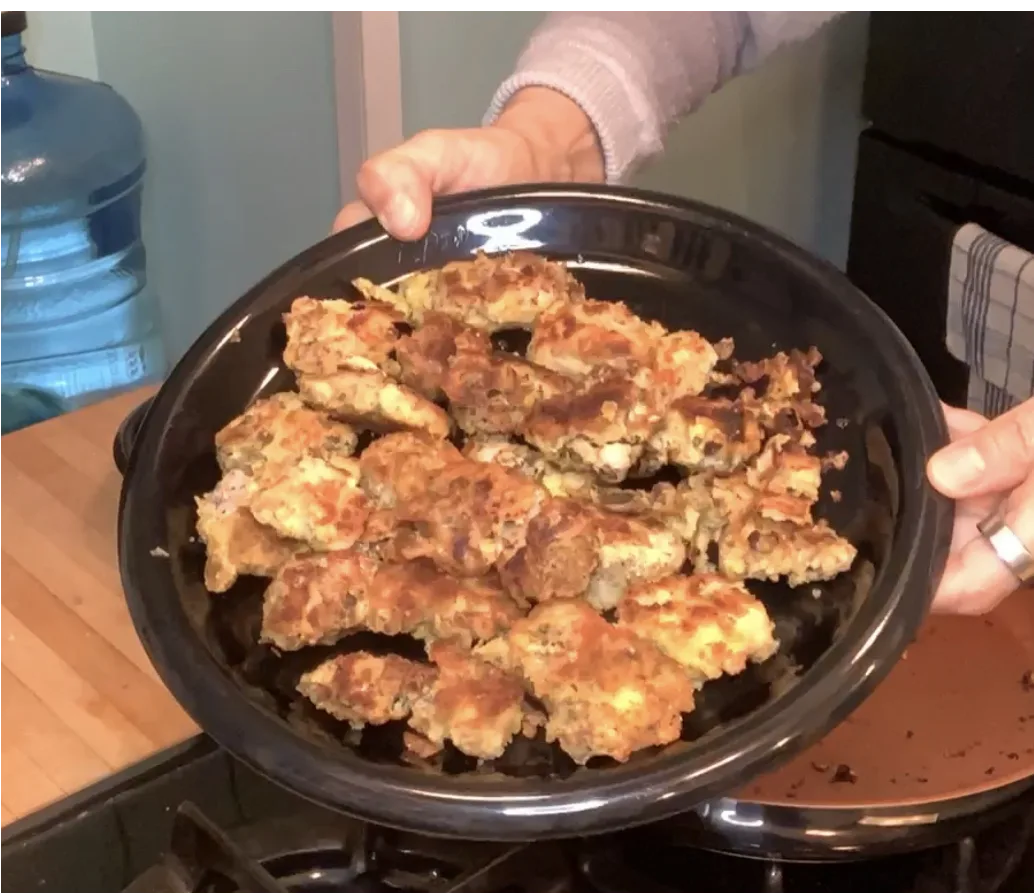 1 lb (about 450g) organic chicken breast, cut into nugget-sized pieces
- 1/2 - 3/4 cup almond flour or coconut flour (for gluten-free breading)
- 2 organic eggs, beaten
- 1 teaspoon garlic powder
- 1 teaspoon onion powder
- 1 teaspoon paprika (optional for flavor but can be omitted)
- Salt and pepper to taste
- Olive oil or coconut oil for frying
Instructions:
- Prep the Chicken: Season the chicken pieces with salt, pepper, garlic powder, onion powder, and paprika. Make sure they are coated well for flavor.
- Dredge in Flour: Dip each chicken piece in the beaten eggs, then coat with almond or coconut flour. Ensure each piece is well-covered.
- Cook: Heat a large skillet over medium heat and add enough oil to lightly coat the bottom. Once hot, add the chicken nuggets. Cook for about 3-4 minutes on each side or until golden brown and the internal temperature reaches 165°F (74°C).
- Cool and Freeze: Let the nuggets cool completely if you plan to freeze them. Place them in a single layer on a baking sheet to freeze individually, then transfer to a freezer-safe bag or container. They can be stored for up to 3 months.
- Reheat: To enjoy from frozen, bake in an oven preheated to 400°F (200°C) for about 15-20 minutes, or until heated through and crispy.
Homemade French Fries
Ingredients:
- 2 large Russet potatoes, about 1 1/2 - 1 3/4 pounds
- Yukon gold potatoes can also be used
- 1/2 teaspoon paprika
- 1/2 teaspoon salt
- 1/4 teaspoon pepper
- 2 tablespoons of olive oil, avocado or melted coconut oil
- Optional herbs - garlic powder or chopped garlic, onion powder, mixed Italian herbs, smoked paprika or other herbs you prefer
Instructions:
- Use a chef's knife or a potato cutter, easily purchased online, to cut potato into even sticks.
- Optional, but it makes fries crispier. Soak cut sticks in cold water for 10 minutes to remove some of the starch.
- Dry the potato sticks prior to coating with oil and spices.
- Coat potatoes in oil and spices by putting them into a bowl, drizzling oil and spices onto potatoes and mixing with spoon or hands.
- Bake in preheated oven at 425 degrees F for 40-45 minutes. Flip fries over after 20 minutes.
- Let them cool a few minutes and then eat right away.
- To reheat, put them in the oven at 400 degrees for about 5-10 minutes.
- If cooking in an air fryer, follow instructions for length of time of cooking.
Want to shift autism behaviors?
Besides considering nutrition, take a look at our Transforming Autism Jumpstart Program, where 100% of all clients who did the protocol as directed saw shifts in their children.