Behavior – Tantrums, Anger, Screaming

Does this sound like your child?
“He cries, screams or tantrums or is angry uncontrollably for no known reason for long periods of time.”
“He becomes VERY upset when told no or things don’t go his way.”
This is exactly what some parents have told me about their child.
And how does it affect the family?
“We revolve our lives around special food, being mindful about activities that are good or bad for him, causing much stress and lost sleep researching solutions.”
“Many of these behaviors make it very difficult to think, and stay calm and rational in the household.”
While it’s challenging when your child goes into full tantrum mode, it can be made more so by not having a clue why – when it seems like it’s out of the blue. And so you start walking on eggshells, doing everything possible for your child to NOT have that meltdown.
As I stated in my previous blog on hyperactivity, we humans rarely do something for no reason.
Why do you think your child has these behaviors?
You know your child better than anyone. But if you can’t think of what is at the bottom of the behaviors, read on.
Many Underlying Factors
Brain Inflammation
Have you stopped to consider that it could actually be a biological reason, some kind of discomfort happening inside the body? If you have, good for you! If you haven’t, brain inflammation resulting from disrupted biochemistry in and between cells, is likely the at the core of the issue.
Studies link all of the following toxins as causative factors in autism and brain inflammation, which halts proper brain development.
- Aluminum found in common childhood injections. [1,2]
- Fluoride found in many public drinking water supplies [1]
- Mercury [3,4,5,6, 7]
- Viral infection or injection in mom while pregnant [8]
- Flame retardants like PBDE (polybrominated diphenyl ether) [9]
- Food chemicals called excitotoxins, because they stimulate the brain adversely, such as glutamate [10]
- Environmental neurotoxins of lead, cadmium, arsenic and other metals [10, 11]
- Exposure of mom while pregnant, to environmental toxins and maternal stress [12]
GI Distress
All disease begins in the gut, so said Hippocrates. And modern science is proving that to be true, with the most recent discovery being the role our microbiome plays in our overall health. [13]
Research points to behavioral manifestations as a result of GI problems [14].
And GI symptoms in children with autism are linked to a greater use of oral antibiotics early in life. [15]
We can see the gut is all important! How is your child’s gut?
If your child is pushing on his belly, holds her belly, has a distended belly, has foul smelling gas or stool, or is weepy, clingy, cries for no reason or is quick to anger, consider helping your child’s digestive system.
Genetics
Yes, genetics are at also at play, both those inherited and those affected by the environment, also known as epigenetics.
And, some children have genetic variations in those genes that control the detoxification process. [16]
Many children I've seen have toxins disrupting the actual detoxification machinery (different than genetics!).
There’s no one cause
I see again and again in my clinical practice – underlying biochemical and systemic issues that, when added together, create the state of autism. Or at least create lots of dysfunction inside the body, particularly the digestive system, brain and cells.
I think researchers are looking for that one thing that causes autism, like genetics. But after all the doctors and researchers I’ve heard speak at conferences, trainings, the research, and my own clinical experience, I’ve found there is no one thing.
Autism is a state in the body created by many different malfunctioning parts. And all the behaviors are a result of these parts not working well on their own or together.
Can the autism behaviors change?
YES!! If dysfunction in the body is corrected, do the autism behaviors change?
The body is changing all the time based on input from the environment, from the food that enters the body to the environment around us. The brain is able to change too!
Nothing has been more inspiring to me than the transformation of Arthur Boorman, Gulf War Veteran. [17] I learned early on in my yoga practice, “You’re never too old, never too bad, never too late and never too sick to start again.” – Bikram Choudary
I know that if this man and many others can overcome issues in the body, your child can too!
How long does it take?
This is the million dollar question! Like Arthur in the video above, the transformation didn’t happen overnight. The same is true for your child or anyone with autism or any other chronic illness.
First, it is absolutely possible to shift. Believe this.
Second, it takes time to unravel all that’s happening in the body. How much time depends on the person’s body and lifetime exposures and experiences.
Where do I start?
The best place to start is with an assessment.
- What is actually underlying your child’s behaviors?
- What is causing the neuroinflammation?
- What is in the gut creating issues?
- Are there food allergies or sensitivities?
These can be done through diagnostic testing. Muscle testing, or energy testing, can also be used to determine what is in the body, where it is and what will best eliminate it.
Once you have some understanding of what is contributing to the dysfunction, you can correct it. Then we proceed in a step-wise fashion to shift the chemicals, the biochemistry, the cellular connectivity, the brain, the gut and the behaviors automatically change.
Shifting Behaviors - Step By Step
Stop adding challenges for the body.
1️⃣ Shift the diet. The first thing to do, whether you have assessments or not, is to change your child’s diet to one of whole, organic foods. You need to take away the stressors that keep putting more stress on, and toxicity in, to the body. Keep in mind that what is one person’s fuel can be another person’s toxin.
A diet of gluten free, dairy free and soy free is a great start! Eighty percent of kids who do this start to act differently!
2️⃣ Stop putting other toxins into/onto the body. This can be a slow process; take the time you need. You’ll want to go through your house and get rid of all chemicals that could impact your child. Start with what you put directly on his or her body: shampoo, lotions, soaps, other skin care products.
3️⃣ Eliminate toxic chemicals like air fresheners, chemical cleaners and home pesticides and herbicides, like RoundUp. Look for and eliminate mold in the house. The next step is to eliminate products with fire retardants, glues and off-gassing chemicals (like new furniture or laminates, flooring with toxic glue, anything plastic-y smelling).
Make sure elimination is regular.
4️⃣ Make sure your child is pooping 1-4 times each day, a solid, formed snake-like stool. If this isn’t what your child’s stool looks like, you need help with constipation. Or perhaps your child goes too many times each day, and has runny stools. The gut microbiome needs some help. Probiotics can be very useful here!
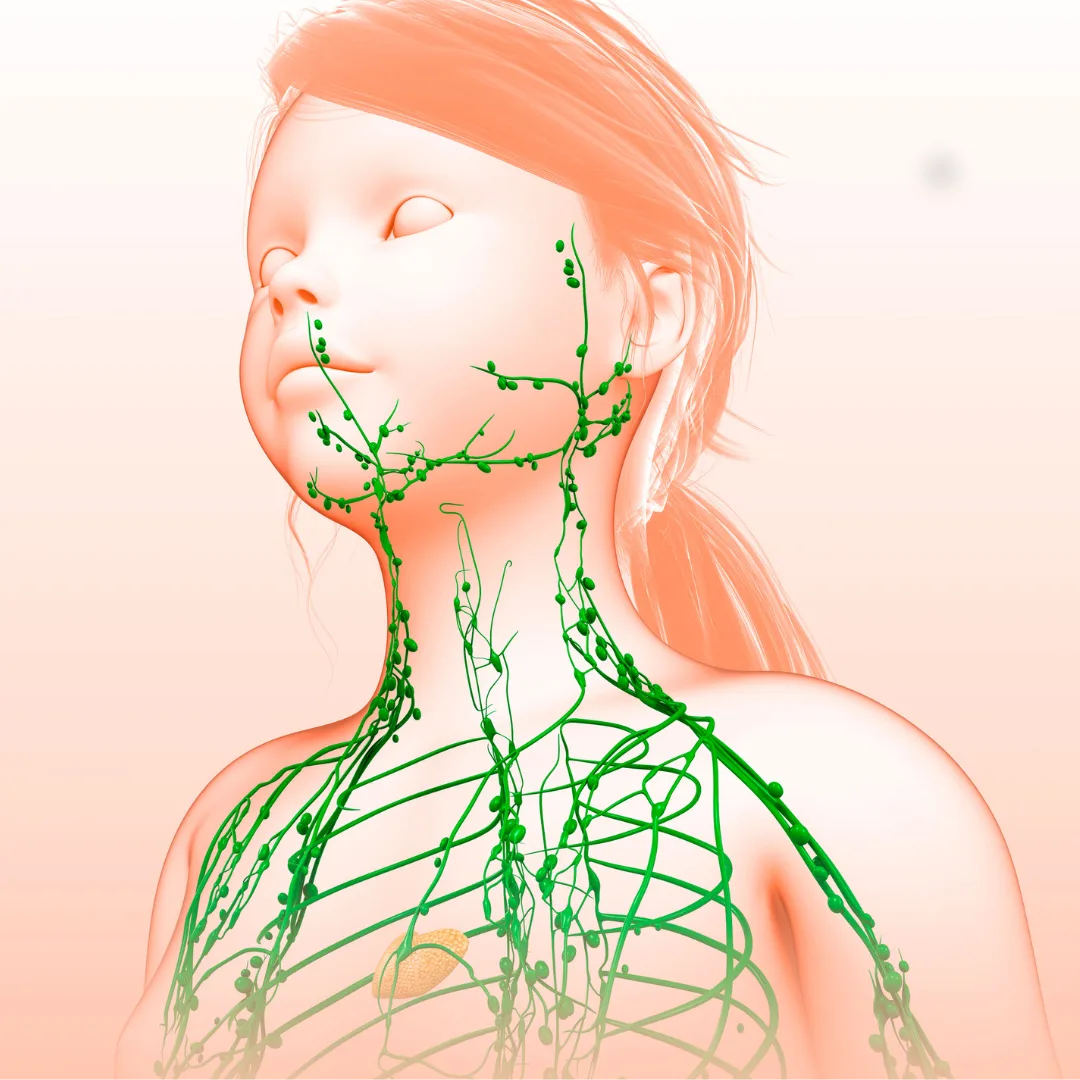
5️⃣ Your child’s drainage, or pipes that get rid of waste, must be flowing.
To drain means to empty, cause a liquid to flow out of. The liquids that flow in your child’s body either carry oxygen and nutrients to the cells – the blood – or carry waste and toxins away from cells to the liver to be processed and eliminated – the lymph.
Clean out the backlog of waste.
6️⃣ Implement true detoxification. After the drainage systems are open, and only then, can true detoxification occur. Stores of toxins leave the cells, are processed and then eliminated through the stool.
Need help? We've got you covered in our Transforming Autism Jumpstart Program, where you are guided in the first steps to eliminating toxic build up in your child, a process that creates behavior shifts almost immediately.
It Starts with Baby Steps
Outlined above are the main steps. Each step contains little baby steps. These must be done in the right order, the right timing so as not to make behaviors worse!
I can guarantee you that if you take these steps, your child’s behaviors will shift so much! And you will see who your child truly is underneath all the behaviors.
If you are ready to take on helping your child at a truly foundational level, with guidance throughout the process, please reach out to us. This is what we do all day, each week, year after year.